
I still remember the first time I tried to make dal at home. I heated oil, tossed in cumin seeds, and watched them turn black in seconds. The whole kitchen smelled like burnt tires. That’s when I realized tadka isn’t just about throwing spices into hot oil—it’s a precise technique that can make or break a dish. So what is tadka, really? In short, it’s the Indian method of blooming whole spices in hot fat (usually ghee or oil) to release their essential oils before adding them to a dish. But the details matter more than the definition.
Quick Navigation: My Tadka Playbook
What Is Tadka? (The Simple Answer)
Tadka (also called chaunk, baghar, or vaghar) is a Hindi word for the process of heating fat—ghee, oil, or sometimes butter—in a small pan or ladle, then adding whole or ground spices to sizzle for a few seconds. The goal is to cook the spices just enough to wake up their flavors without burning them. Then you pour the whole sizzling mixture over a finished dish, like dal, curry, or raita. It’s the final flourish that adds aroma, texture, and a punch of flavor.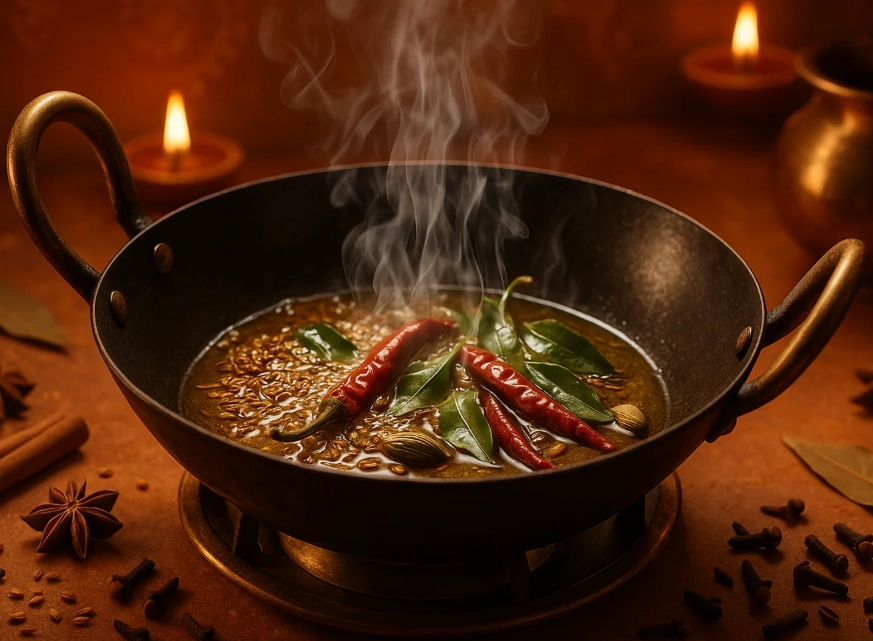
I’ve seen recipes that say “add tadka” without explaining how. So let me be clear: tadka is not a spice blend. It’s a technique. And once you get it, your food changes.
The Science Behind Tadka: Why It Works
Spices contain volatile oils—the compounds that give them their smell and taste. These oils are locked inside the spice cells. Heat breaks those cells open. Fat acts as a solvent, pulling out the oils and distributing them evenly. But there’s a narrow window: too little heat and the oils stay trapped; too much and they burn, turning bitter.
The ideal temperature for tadka is around 150–180°C (300–350°F). Cumin seeds, for example, need about 30–45 seconds in hot ghee to release their nutty aroma. Mustard seeds pop at around 180°C. If your spices smoke or turn dark brown within seconds, your fat is too hot.
I learned this the hard way. Now I test the fat with a single cumin seed—if it sizzles immediately and floats, I know it’s ready. If it just sits there, I wait. If it turns black, I start over.
Common Tadka Mistakes (And How I Fixed Mine)
For years, I made the same three mistakes. See if any sound familiar.
- Mistake #1: Adding spices to cold oil. I used to put cumin seeds in the pan before turning on the heat. They absorbed oil and turned soggy instead of crisp. Fix: Heat the fat first, then add spices.
- Mistake #2: Burning garlic. Garlic burns in seconds. I now add it last, after the seeds and dried spices, and stir constantly. If I’m using garlic, I take the pan off the heat right after it turns golden.
- Mistake #3: Overcrowding the pan. A small pan with too many spices drops the temperature and steams the spices instead of frying them. I use a ladle that’s just big enough to hold the spices in a single layer.
One more thing: don’t walk away. Tadka takes less than a minute. Set a timer if you have to.
Top 3 Tadka Combinations You Should Try
These are the combinations I keep coming back to, ranked by how often I make them.
| Rank | Combination | Best For | My Timing (in seconds) |
|---|---|---|---|
| 1 | Cumin seeds + dried red chili + asafoetida (hing) | Dal, lentils, vegetable curries | Cumin 30s, chili 10s, hing 5s |
| 2 | Mustard seeds + curry leaves + green chili | South Indian dishes, coconut chutney, stir-fries | Mustard 20s (until they pop), then leaves and chili for 10s |
| 3 | Ghee + garlic + Kashmiri chili powder | Raita, yogurt-based dips, or finishing rice | Garlic 15s (until golden), chili powder 5s off heat |
I use a small cast-iron ladle for all of these. It holds heat well and gives me a good pour.
Tadka FAQs: Real Questions From My Kitchen
I’ve been cooking Indian food for over a decade, and tadka is still the step I practice most. It’s simple, but it’s not easy. That’s why I love it.
Fact-checked against traditional Indian cooking references (e.g., Indian Food Forever, The Spruce Eats) and my own kitchen trials.
Leave a Comment