
A workable Indian spice list isn't a museum of 40 jars. It's the dozen or so spices that actually earn their shelf space. I keep roughly 14 spices in my own kitchen, and half of them do 80% of the work. Below is the list I hand to friends who ask what to buy first, what each spice tastes like, and where beginners go wrong.
What's in this guide
What Is an Indian Spice List, Really?
An Indian spice list is a short, functional set of whole and ground spices that covers the flavor bases of most Indian cooking: warmth, heat, aroma, earthiness, and a little bitterness. It is not a fixed canon. A Bengali kitchen leans on panch phoron; a Chettinad kitchen leans on star anise and black pepper. The list below is a neutral starting point, not a rulebook.
One thing I tell people early: Indian cooking is not about dumping every spice into every dish. Most curries use three to five spices. The rest sit in the cabinet waiting for the one dish that needs them.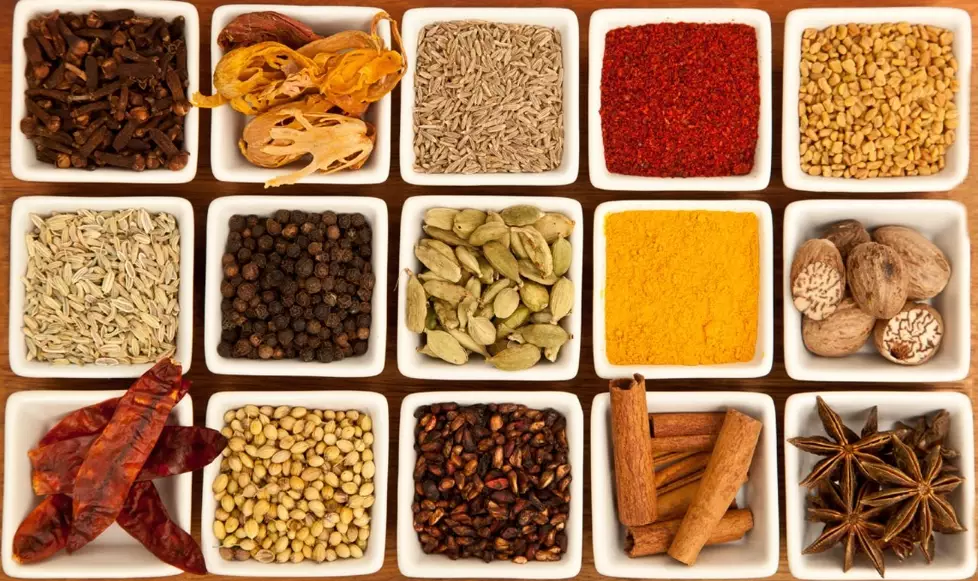
The 12-Spice Starter List (With What Each One Does)
I tested these quantities over a normal home-cooking month. Buy small. You will replace cumin and turmeric more often than you expect.
| Spice | What it actually does | Buy this much to start | Rough cost (US) |
|---|---|---|---|
| Cumin seeds | Earthy base note; blooms in hot oil | 100 g / 3.5 oz | $3–4 |
| Coriander powder | Citrusy body; the backbone of most curries | 200 g / 7 oz | $3–5 |
| Turmeric powder | Color, faint bitterness, earthiness | 100 g / 3.5 oz | $2–4 |
| Red chili powder | Heat and color; Kashmiri is milder and redder | 100 g / 3.5 oz | $3–5 |
| Garam masala | Finishing blend; add late, not early | 50–100 g | $4–6 |
| Mustard seeds | Pungent pop; South Indian tempering | 100 g | $2–3 |
| Green cardamom | Floral top note; chai and biryani | 25–30 pods | $5–7 |
| Cloves | Sharp warmth; use sparingly | 25 g | $3–5 |
| Cinnamon (cassia) | Sweet bark warmth; braises and rice | 2–3 sticks | $2–4 |
| Black pepper | Clean heat; Chettinad and rasam | 50 g whole | $4–6 |
| Fenugreek seeds | Bitter, maple-like; a little goes far | 50 g | $2–3 |
| Asafoetida (hing) | Savory onion-garlic depth for vegetarian dishes | 10–15 g | $4–6 |
Buy whole where you can. Cumin, coriander, and black pepper keep their punch for months longer whole. A cheap coffee grinder pays for itself in one year.
How Do You Build an Indian Spice Pantry Without Wasting Money?
Start with five. Cumin, coriander, turmeric, chili powder, and garam masala will get you through dal, sabzi, and most weeknight curries. Add cardamom and cloves when you start making chai or rice dishes. Add mustard seeds and curry leaves the first time you cook a South Indian tempering.
Here's a scenario I see often. Someone buys a 500 g bag of ground coriander because it's cheaper per ounce. Six months later it smells like sawdust. Ground spices fade in about six months; whole spices hold for a year or more. Buy ground in 100–200 g bags, whole in larger ones.
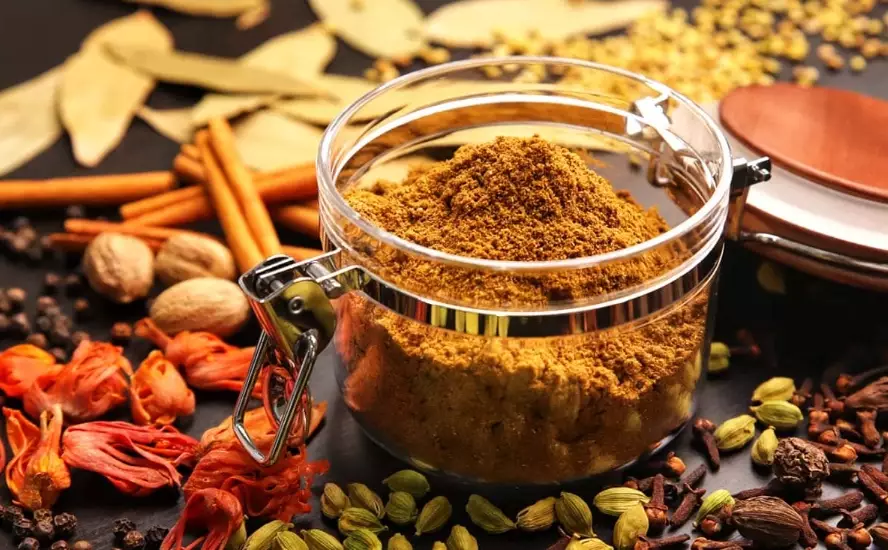
Another practical trick: keep a small jar of a basic garam masala mix on the counter, and the rest in a dark cabinet. The counter jar gets used, so it gets replaced. The backup stays fresh.
How to Store Indian Spices So They Don't Turn to Dust
Heat, light, and air are the three enemies. I keep my spices in a closed drawer away from the stove, not on the open shelf above it. That shelf looks nice and kills flavor fast.
Whole spices go in glass jars with tight lids. Ground spices go in small containers you can finish in a few months. Label with the purchase month if you're forgetful. A quick sniff test tells you more than any date: if turmeric smells like nothing, it's done.
"If a spice smells like the memory of itself, it's time to replace it."
The Beginner Mistakes Nobody Warns You About
Burning cumin in the pan
Cumin seeds need about 15–20 seconds in medium-hot oil. The moment they darken, they turn bitter. I learned this the hard way with a batch of dal that tasted like ash.
Adding garam masala too early
Garam masala is a finishing spice. Added at the start, it loses its aroma and the dish tastes flat. Stir it in during the last two minutes of cooking.
Using the same chili powder for everything
Kashmiri chili gives color without much heat. Regular chili powder is hotter and darker. If a recipe says "red chili powder" and you use the wrong one, you'll either get a bland dish or a fire alarm.
Over-toasting whole spices
Toasting releases oils, but past 60–90 seconds on medium heat they scorch. Fenugreek in particular turns bitter fast. Toast in a dry pan, keep moving, and pull off the heat before you think you should.
Questions I Get Asked Constantly
I'm cooking Indian food for the first time and don't want to buy 12 jars. What are the absolute must-haves?
Four: cumin seeds, coriander powder, turmeric, and chili powder. Those four cover dal, most vegetable dishes, and a basic curry. Garam masala is a strong fifth if you're making anything with a sauce.
How long do ground spices keep before they lose flavor?
Six months is realistic for ground spices, and closer to three months for garam masala blends that mix many volatile spices. Whole spices hold for a year or more. Write the month you open the jar on the lid; your nose will tell you when it's done.
Is it worth grinding my own garam masala?
Yes, if you use it often. A small batch of toasted cumin, coriander, cardamom, cloves, and cinnamon ground fresh has a depth that pre-ground blends can't match. Grind enough for a month, not a year.
Why does my curry taste bitter after I add the spices?
Most likely the spices burned in the pan, or you used too much fenugreek. Turn the heat down and add ground spices to a little liquid or a low-flame pan. Fenugreek should be measured carefully; a teaspoon is enough for a pot of dal.
Can I substitute one Indian spice for another?
Sometimes, but not freely. Coriander and cumin are not interchangeable. Turmeric has no real substitute. Garam masala can be approximated with cinnamon, cloves, and cardamom, but the balance won't be the same. When a recipe calls for asafoetida, a pinch of onion or garlic powder works, though the aroma is different.
This guide was fact-checked against standard culinary references and my own kitchen trials. Prices vary by region and store; treat the ranges as a rough guide.
Leave a Comment