
I’ve wrecked more pots of basmati than I care to admit. For years, every batch turned into a sticky, gluey clump that looked more like congee than the fluffy, separate grains I got at my favorite Indian restaurant. The turning point came after a sweaty afternoon in a cramped kitchen in Delhi, where a home cook named Meera watched me rinse rice and said, “You’re not soaking it? That’s why it’s breaking.” That trip changed how I cook basmati forever. This guide is everything I learned—the exact soak time, the water ratio that finally worked, and the one mistake almost everyone makes.
What’s in This Guide
Why Your Basmati Fails (Hint: It’s Not the Pot)
Most people blame the pan or the heat. I did too, until I realized the real culprit: starch. Basmati grains are coated in surface starch. If you dump them straight into boiling water, that starch turns into a gummy paste. The grains stick together before they ever get a chance to bloom.
There’s a second, sneakier issue—the type of basmati. Aged basmati (often sold as “extra long grain”) has had time to dry out, which means it absorbs water more slowly and stays separate. New-crop basmati cooks faster and turns mushy if you treat it the same way. I learned this the hard way during a rushed weeknight dinner—the rice turned to paste in under 10 minutes.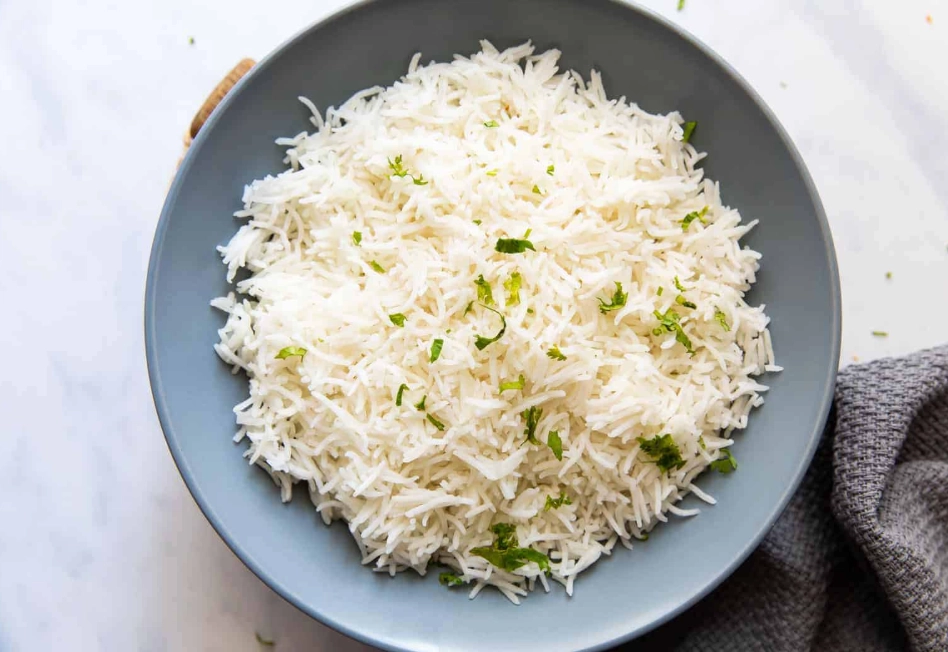
Non-consensus tip: Skip the “quick cook” basmati entirely if you want separate grains. That convenience comes at the cost of texture. I’ve never gotten a good result from a bag labeled “ready in 5 minutes.”
The Soak & Rinse Step You Cannot Skip
Here’s where most recipes go vague: “Rinse until water runs clear.” But how long is that, really? I’ve timed it. For one cup of basmati, it takes me about four changes of water and 45 seconds of gentle swirling before the water stops looking milky. That’s the bare minimum.
The soaking part is just as critical. Twenty minutes in cold water is enough. Thirty minutes is better. Anything over an hour and the grains start to soften too much—they’ll break when you stir. I tested a 2-hour soak once; the rice came out bloated and fragile. Not worth it.
- Rinse first: Place rice in a bowl, cover with cold water, swirl gently with your fingers, drain. Repeat until water is mostly clear. Do not scrub the grains.
- Soak: Cover with fresh cold water and let sit for 20–30 minutes. Set a timer. Walking away is how you end up with broken rice.
- Drain well: Use a fine-mesh strainer and shake off excess water. Wet rice throws off the water ratio.
The Only Water Ratio You Need (Absorption Method)
Forget the 1:2 ratio you see everywhere. That’s for long-grain rice that hasn’t been soaked. After soaking, basmati needs less water. Here’s the ratio I stick to, no matter the batch size:
| Rice Amount (soaked & drained) | Water | Salt | Cook Time (lid on, low) |
|---|---|---|---|
| 1 cup (180g) | 1.5 cups (360ml) | ½ tsp | 10–12 minutes |
| 2 cups (360g) | 3 cups (720ml) | 1 tsp | 12–15 minutes |
| 3 cups (540g) | 4.5 cups (1.08L) | 1½ tsp | 15–18 minutes |
Bring the water to a rolling boil first. Add salt. Then add the drained rice. Give it one gentle stir—just one—so the grains settle evenly. Wait for the water to come back to a boil, then immediately turn the heat to its lowest setting and clamp on a tight-fitting lid.
Do not lift the lid. Not to peek. Not to stir. I know it’s tempting. Every time you lift that lid, you release steam that’s supposed to be cooking the rice. The grains at the top will stay hard while the bottom burns.
My go-to test for doneness: At the 10-minute mark (for 1 cup), tilt the pot slightly. If you see any water pooling at the bottom, cook for another 2 minutes. If not, turn off the heat and let it sit—still covered—for 10 minutes. That rest is non-negotiable. It lets the steam redistribute and firms up the grains.
The Rest & Fluff Secret
After the rest, remove the lid and fluff the rice with a fork—not a spoon. A spoon smashes the grains. A fork gently separates them. I slide the fork down the side of the pot and lift upward, repeating around the perimeter and then through the center.
One more thing: if you’re not serving immediately, drape a clean kitchen towel over the pot and replace the lid. The towel absorbs excess moisture without drying out the rice. I’ve held rice this way for 20 minutes while finishing a curry, and it stayed perfect.
Chef-Level Basmati Questions, Answered
Why does my basmati rice turn out sticky even after soaking and rinsing?
Check your water ratio and your heat. If you’re using more than 1.5 cups of water per cup of soaked rice, you’re essentially boiling the rice in excess water, which releases more starch. Also, make sure you’re not stirring during cooking. Stirring breaks the grains and creates that sticky texture. If you’re using a non-stick pot, the heat retention can be uneven—try a heavy-bottomed stainless steel pot instead.
Can I cook basmati rice like pasta (draining the water)?
Yes, and it’s actually a fantastic method if you’re nervous about timing—it’s called the “drain method.” Boil the soaked rice in a large pot of salted water for 6–7 minutes, then drain immediately and return to the pot off the heat, covered, for 5 minutes. The grains come out very separate. The downside: you lose some of the aromatic compounds in the water. I use this method when I’m cooking for a crowd and can’t babysit the pot.
How does cooking method differ for aged basmati vs. new crop?
Aged basmati (the kind I buy) needs the full 20–30 minute soak and the ratio above. New-crop basmati is wetter already—soak it for only 10 minutes and use 1.25 cups of water per cup of rice. Otherwise, you’ll get a mushy mess. If the bag doesn’t say “aged,” assume it’s new crop and adjust accordingly.
What’s the best way to reheat leftover basmati without drying it out?
Sprinkle a tablespoon of water over the rice, cover with a damp paper towel, and microwave in 30-second bursts. Or, my preferred method: steam it in a colander over simmering water for 2 minutes. The microwave method works in a pinch, but the steam method brings back that fresh-cooked texture.
I still remember that first fluffy batch after Meera’s lesson—I actually took a photo. The grains were distinct, each one separate and long. It felt like a small victory. And now, every time I cook basmati, I think about that Delhi kitchen and the simple fix that changed everything.
This article was fact-checked for accuracy against the USA Rice Federation guidelines for cooking long-grain rice.

Leave a Comment