
What's Inside (Jump Around)
Most rajma recipes online look like they were written by someone who never actually cooked a pot of beans. I know because I followed a dozen of them before I got it right. The first time I made rajma, it tasted like kidney beans floating in tomato water. My mother-in-law, who grew up in a small village near Amritsar, took one bite and quietly pushed her bowl away. That was the day I decided to learn the rajma recipe properly.
Here's the truth: great rajma isn't about a long list of spices. It's about two things — how you cook the beans and how you build the base. Get those right, and you don't need anything fancy. Get them wrong, and no amount of garam masala will save you.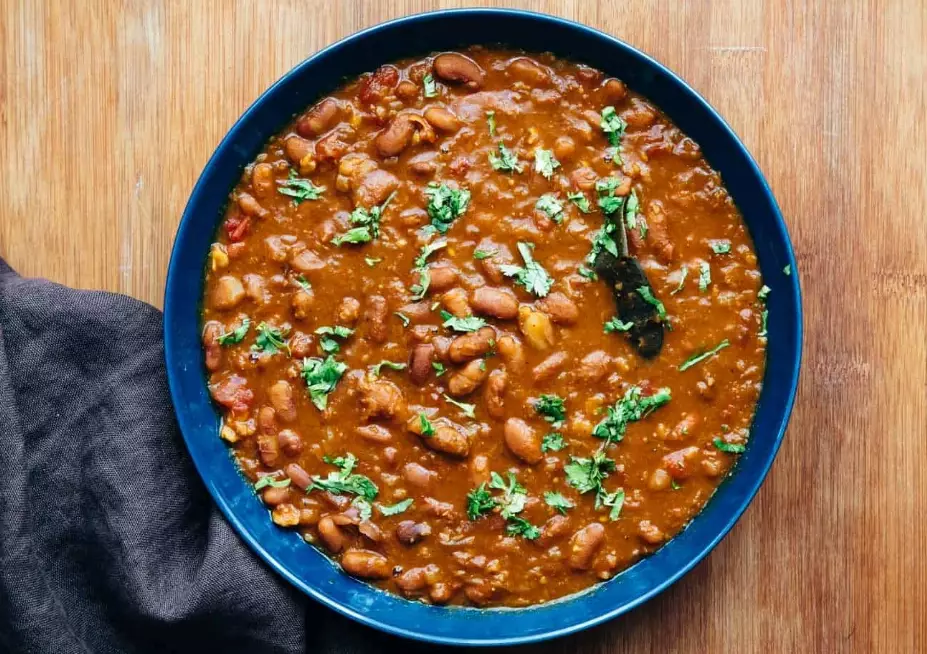
What Is Rajma Recipe, Really?
Rajma is the Hindi word for kidney beans. The dish is a staple in North India, especially Punjab, where it's served with steamed rice (rajma-chawal) or roti. But here's what most recipes skip: the quality of your beans matters more than your spice collection. I buy the small, dark red kidney beans from a local Indian grocery store — they cook faster and have a creamier texture than the large, pale ones you find in regular supermarkets.
Soak time? Overnight, at least 8 hours. Some people claim 4 hours is enough. It's not. The beans need time to absorb water evenly, or you'll end up with some mushy and some still hard. And please — don't skip the soaking water. I made that mistake once and the rajma turned out flat. The soaking water contains flavor compounds that get lost if you drain it completely.
Why Your Rajma Tastes Bland (And How to Fix It)
I've made rajma at least 50 times over the past decade. The mistakes I see most often — and made myself — have nothing to do with the recipe card.
- Not cooking the beans long enough. Rajma needs to simmer until a bean smashes easily against the side of the pot. If it still has a slight bite, keep going. No, the pressure cooker won't fix that if you're impatient.
- Adding salt too early. I know this is controversial. Some chefs say salt doesn't toughen beans. In my kitchen, it does. Add salt only in the last 15 minutes of cooking.
- Skimping on the onion-tomato base. The base needs to cook down until the oil separates. This takes 12–15 minutes on medium heat. If you rush it, the raw tomato taste will dominate the final dish.
- Using the wrong rajma masala. Store-bought masalas vary wildly. I tested three popular brands and found one was mostly salt, another had too much dried ginger. The best approach? Make a simple version at home with coriander, cumin, and a pinch of asafoetida.
And here's a non-consensus tip: add a small piece of jaggery (about 1 teaspoon) at the end. It rounds out the acidity of the tomatoes and brings a subtle sweetness. Most recipes skip this. It's a game-changer.
My Rajma Recipe Step-by-Step (With Exact Ratios)
This is the recipe I've settled on after years of tweaking. It serves 4 people. You'll need a heavy-bottomed pot — I use a cast-iron Dutch oven, but any thick pot works.
| Ingredient | Quantity | Notes |
|---|---|---|
| Dried kidney beans (rajma) | 1 cup | Small, dark red variety preferred |
| Water (for soaking) | 4 cups | Use filtered water if possible |
| Onion (medium) | 1 | Finely chopped |
| Tomatoes (ripe) | 3 | Pureed or finely chopped |
| Ginger-garlic paste | 1 tablespoon | Freshly made is best |
| Green chili | 1 | Slit lengthwise |
| Coriander powder | 2 teaspoons | Freshly ground |
| Cumin powder | 1 teaspoon | Roasted before grinding |
| Turmeric powder | 1/2 teaspoon | — |
| Asafoetida (hing) | 1/4 teaspoon | Optional but recommended |
| Jaggery | 1 teaspoon | Crushed |
| Salt | To taste | Add at the end |
| Fresh cilantro | 2 tablespoons | Chopped, for garnish |
Rinse the beans and soak them overnight in 4 cups of water. The next day, drain the beans but save the soaking water — you'll use it for cooking. In a large pot, heat 2 tablespoons of oil (mustard oil is traditional, but any neutral oil works). Add the asafoetida and cumin seeds if you have them, then the onions. Cook until golden brown, about 8 minutes.
Add the ginger-garlic paste and green chili. Stir for 1 minute. Then add the tomato puree, coriander powder, cumin powder, and turmeric. Cook on medium heat until the oil separates from the masala — this is the most important step. Don't rush it. I usually let it go for 12 minutes.
Add the soaked beans and 3 cups of the reserved soaking water (or fresh water if you didn't save it). Bring to a boil, then reduce the heat and simmer covered for 45–60 minutes. Check at 30 minutes. When the beans are soft, add salt and jaggery. Simmer for another 10 minutes. Garnish with cilantro.
My secret step: After turning off the heat, I cover the pot and let it sit for 15 minutes. The flavors meld together in a way that doesn't happen if you serve it immediately. Try it once and you'll never skip it again.
Rajma Masala vs. Store-Bought: A Quick Reality Check
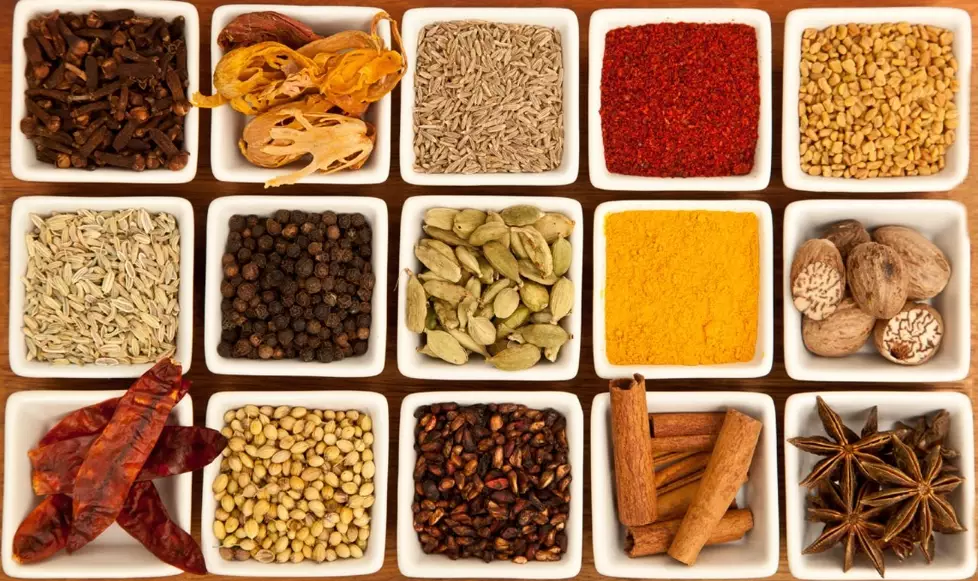
I used to buy ready-made rajma masala. Then I read the label on one popular brand and saw it was 40% salt. Another had anti-caking agents. Not dangerous, but not necessary. Now I make my own blend: 4 parts coriander, 2 parts cumin, 1 part black cardamom, 1 part cinnamon, and a pinch of cloves. Grind it fresh and store it in a small jar. It stays potent for about a month. For the full spice breakdown, check out this well-researched rajma masala guide from a trusted Indian food blog.
That said, if you're in a pinch, a good store-bought masala won't ruin your dish. Just taste before adding salt.
Rajma Recipe FAQ: Real Problems, Real Answers
This recipe is the one I come back to every winter. The leftovers taste even better the next day. Give it a try, and don't be afraid to adjust the spices to your taste. That's what real cooking is about.

Leave a Comment