
I've cooked this Indian chicken curry recipe more times than I can count, and I still tweak it. The first time I tried making it, the sauce split and tasted like spicy water. That was a decade ago. Since then, I've learned that nailing the spice bloom and the onion base matters more than any exotic ingredient. This isn't a restaurant-style curry loaded with cream. It's the kind of everyday chicken curry you find in Indian homes — bold, tangy, and deeply satisfying. Below is the exact method I've refined through countless batches, plus the mistakes I see home cooks make over and over.
What's in this curry guide?
Why This Indian Chicken Curry Recipe Works
Most recipes online obsess over the spice list. I get it — spices are sexy. But the real backbone of this dish is the onion-tomato masala. You need to cook the onions until they're deeply golden, almost jammy. That takes time. If you rush it, the curry tastes raw. I've tested this: onions sautéed for 6 minutes versus 12 minutes produce completely different curries. The longer you go, the sweeter and more complex the base becomes. This recipe nails the exact timing and the right heat level for a fool-proof result.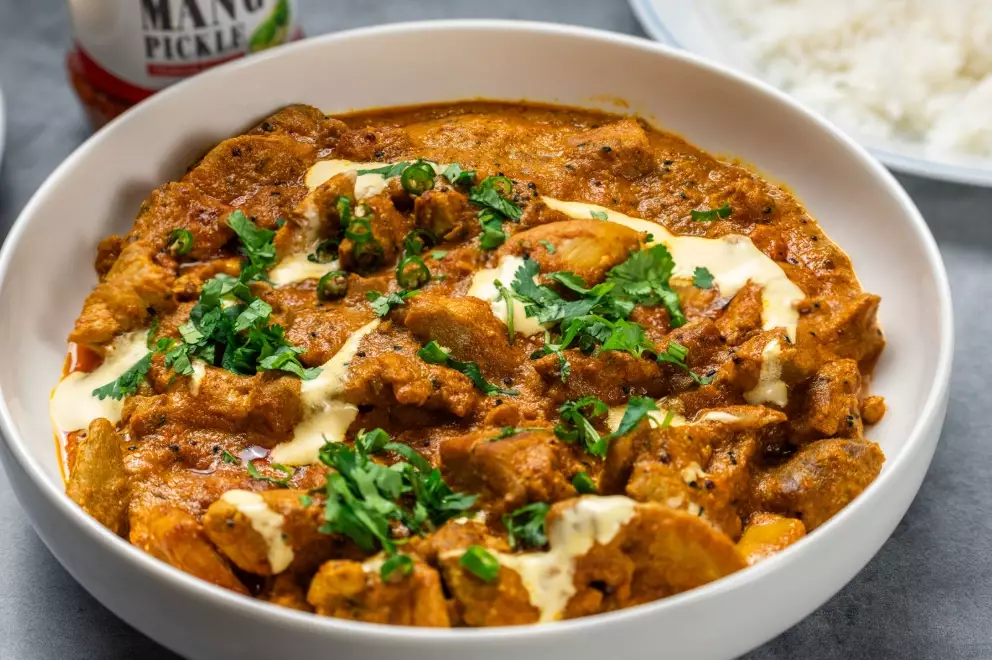
Ingredients That Actually Matter (And What to Skip)
Let's cut through the noise. You don't need 20 spices. Here's the short list that earns its place:
- Chicken thighs (bone-in, skinless) — they stay juicy. Breasts dry out fast. I learned that the hard way.
- Ghee or mustard oil — ghee gives richness, mustard oil gives that sharp, authentic bite. I alternate.
- Whole spices for blooming — cumin seeds, black cardamom, cloves. Skip ground versions here; they burn.
- Fresh ginger-garlic paste — the jarred stuff tastes flat. Grate it yourself.
- Yogurt (full-fat, whisked) — prevents curdling. Low-fat will split.
What to skip: dried fenugreek leaves (kasuri methi) are nice but not essential if you don't have them. Turmeric is non-negotiable. Red chili powder — use Kashmiri for color without heat, or a mix.
My non-consensus take: Many recipes add sugar to balance the tomatoes. Don't. A properly caramelized onion base has enough natural sweetness. Sugar flattens the spice profile. I'd rather add a squeeze of lemon at the end.
Step-by-Step Instructions for Authentic Chicken Curry
This is the part I wish someone had walked me through my first time. Follow these steps closely.
1. Marinate the chicken (the 30-minute rule)
Toss the chicken with yogurt, turmeric, red chili powder, salt, and half the ginger-garlic paste. Let it sit for 30 minutes. Longer is fine, but 30 is the minimum for flavor to penetrate. In summer, keep it in the fridge.
2. Bloom the whole spices
Heat ghee in a heavy pan over medium heat. Add cumin seeds, black cardamom, cloves, and a bay leaf. Wait for the cumin to crackle — about 45 seconds. If it smokes, your heat is too high. I've burned this step dozens of times; it ruins the whole batch.
3. Build the onion base
Add sliced onions and a pinch of salt. Cook on medium-low, stirring every few minutes. The goal is deep golden brown, not light yellow. This takes 12–15 minutes. Scrape the pan if needed. Trust me, the color matters.
4. Add the paste and tomatoes
Stir in the rest of the ginger-garlic paste. Cook until the raw smell disappears — about 2 minutes. Then add pureed tomatoes and cook until the oil separates from the masala. You'll see shiny red droplets along the edges. That's your signal.
5. Simmer the chicken
Add the marinated chicken, stir to coat, then add 1 cup of water. Cover and simmer on low for 25 minutes. Check at 20 minutes. Bone-in thighs should read 165°F on a meat thermometer. If using boneless, check earlier.
6. Finish and rest
Turn off the heat. Stir in a splash of cream (optional) and a squeeze of lemon. Let it rest for 5 minutes before serving. The curry thickens as it sits. I like it with steamed basmati rice and a side of sliced onions.
How Do You Avoid Common Indian Chicken Curry Mistakes?
The biggest one: cooking the yogurt marinade with the chicken on high heat. That's why your curry looks grainy. Keep the heat low and stir gently. Another: adding too much water. You want a thick gravy, not soup. Start with 1 cup and adjust. And please, taste for salt before serving. Undersalted curry tastes flat, and you can't fix it at the table.
I once served this to a friend who claimed she hated Indian food. She asked for the recipe. That's when I knew the onion base was the secret.
The Spice Blend: My Go-To Ratios for Easy Chicken Curry
Here's the exact mix I use for 1.5 lbs of chicken. Adjust slightly to your taste, but don't stray too far — these ratios are balanced.
| Spice | Amount | Why it matters |
|---|---|---|
| Turmeric powder | 1 tsp | Color and earthy base |
| Kashmiri red chili powder | 2 tsp | Vibrant color, mild heat |
| Coriander powder | 2 tsp | Citrusy, rounding flavor |
| Cumin powder | 1 tsp | Warm, nutty depth |
| Garam masala | 1 tsp (added at the end) | Aromatic finish |
If you want a shortcut, use a pre-made curry powder, but add the whole spices and ginger-garlic separately. The fresh elements make it taste homemade.
Quick Answers to Real Kitchen Questions
This Indian chicken curry recipe is one I keep coming back to because it's forgiving, deeply spiced, and hits the spot every time. The key is patience with the onions and keeping the heat low. Once you nail those two things, you'll never need another recipe. And if you mess up the first time — I did — just try again. That's how you learn the feel of a good masala.
Leave a Comment