
I've cooked this vegetable sabzi recipe in a 10-inch stainless pan more times than I can count, and the version that finally worked wasn't the one with extra cream or a long list of spices. It was the one where I stopped crowding the pan. If your sabzi keeps turning out watery, limp, or flat, the fix is almost always heat and sequencing, not ingredients. I'll walk you through what I actually do at the stove.
What's in this guide
What Is Vegetable Sabzi, Really?
Sabzi means cooked vegetable in Hindi and Urdu, and in most Indian homes it doesn't mean a soupy curry. It means a dry or semi-dry vegetable dish that sits next to dal and rice. That distinction matters. If you're searching for a vegetable sabzi recipe and landing on wet restaurant-style curries, the texture will feel off before you even taste it.
A proper dry vegetable sabzi relies on three things: vegetables cut evenly, a tempering (tadka) that flavors the oil, and a lid that traps just enough steam to cook without drowning the pan. I learned this watching my mother-in-law in a small kitchen in Pune—she never measured water, she judged by sound. That's the skill worth building.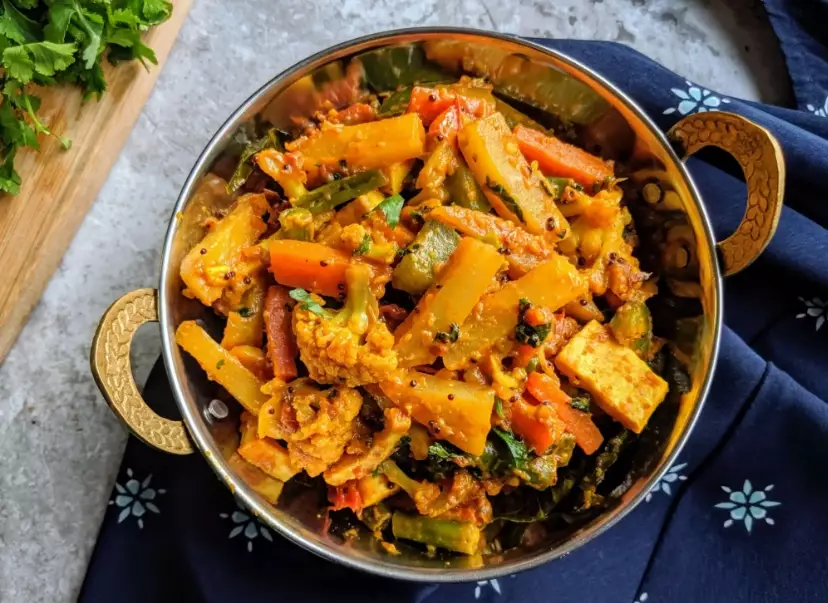
My Vegetable Sabzi Recipe (Step by Step)
This version serves 3 to 4 people as a side. Prep time is about 10 minutes, cook time 15 to 18 minutes.
What you'll need
- 3 cups mixed vegetables (cauliflower florets, beans, carrots, peas, potato) cut into similar-size pieces
- 2 tbsp oil (mustard or sunflower—mustard adds a sharper edge)
- 1 tsp cumin seeds
- 1 small onion, finely sliced
- 1 tsp ginger-garlic paste
- 1/2 tsp turmeric
- 1 tsp coriander powder
- 1/2 tsp red chili powder (adjust, but don't go zero—the heat balances the earthy spices)
- Salt to taste (start with 1/2 tsp, add late)
- 2 tbsp chopped cilantro
- 1/2 tsp garam masala at the very end
How to actually cook it
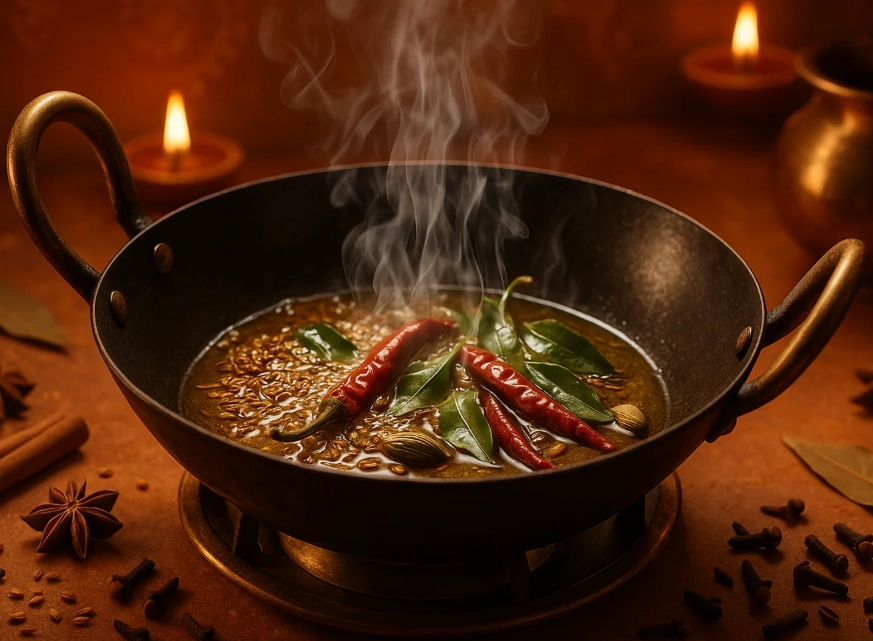
Heat the pan first. Cold pan plus oil equals sticking, and sticking equals extra oil. Wait until a cumin seed sizzles the moment it hits the surface.
Add cumin seeds, let them darken for about 20 seconds, then onion. Cook the onion until the edges turn brown—not golden, brown. That's where the sweetness comes from. Add ginger-garlic paste and cook 30 seconds; raw paste is the reason some sabzis taste harsh.
Add the dry spices and stir for 10 seconds. Then the vegetables. Toss them in the oil for a full minute before covering. That coating step is what gives sabzi a roasted edge instead of a steamed one.
Cover with a lid, keep heat medium-low, and stir every 4 minutes. Cauliflower and potato need 12 to 14 minutes; beans closer to 10. Salt goes in at the halfway mark—adding salt too early pulls water out and makes the pan wet.
Finish with garam masala and cilantro off the heat. Let it sit 2 minutes before serving so the spices settle.
The Veg-and-Heat Table That Prevents Soggy Sabzi
Different vegetables release water at different rates, and this is where most recipes go silent. Use this as your heat map.
| Vegetable | Cut size | Heat level | Approx cook time | Water needed? |
|---|---|---|---|---|
| Cauliflower | Medium florets | Medium-low, lid on | 12–14 min | 1 tbsp only if pan looks dry |
| Green beans | 1-inch pieces | Medium, lid on | 8–10 min | None |
| Carrots | Half-moon slices | Medium-low, lid on | 10–12 min | 1–2 tbsp |
| Potato | Small cubes | Medium-low, lid on | 14–16 min | 2 tbsp |
| Peas | Whole | Medium, lid on | 6–8 min | None |
| Cabbage | Shredded | High, lid off | 5–7 min | None |
I tested this table across three batches—cabbage cooked with a lid turns into a wet pile, no exceptions. The lid trap is real.
Mistakes That Ruin Sabzi (Most People Make #1)
The most common mistake isn't too much spice or old vegetables. It's chopping unevenly and then adjusting heat to the largest piece. The small pieces burn while the big ones stay raw, and the cook compensates by adding water and cooking longer—which destroys texture. Handle the knife first.
Second mistake, less discussed: adding salt with the spices. Salt draws moisture out early, and the pan turns into a shallow pool. I salt late now, always.
Third: over-stirring. Every stir drops the pan temperature. Restraint matters more than technique here.
How Do You Fix Watery Sabzi at the End?
If the pan looks wet, take the lid off and raise the heat for 2 to 3 minutes. Don't add flour or breadcrumbs—that turns the dish gluey. A pinch of roasted cumin powder absorbs a little and adds flavor. If it's still wet, plate it with a slotted spoon and leave the liquid behind. The sabzi will taste fine; the plate just won't look like a curry.
Storage, Reheating, and Pairing
Store sabzi in a sealed container in the fridge for up to 3 days. Reheat in a pan on low heat with a splash of water (1 tsp per cup), not the microwave—microwaving softens the vegetables too much. I reheat in a covered pan for 4 minutes and it comes back close to fresh.
Pair with roti and dal, or serve with plain rice and a spoon of yogurt. If you're meal-prepping, cook vegetables slightly firmer than you'd serve them—they soften on reheat. For the spice and tempering basics, the Indian Healthy Recipes site has solid reference points on tadka order.
Straight Answers to Real Questions
Why does my sabzi taste bitter after reheating?
Burnt cumin seeds are the usual culprit, not the vegetables. If the seeds go black instead of brown, they turn bitter, and reheating concentrates that. Toast cumin in a separate small pan if you're unsure—30 seconds on medium, pull it off before it smokes.
Can I make this vegetable sabzi recipe without onion and garlic?
It works, but the sabzi will taste thinner. Use 1/2 tsp asafoetida (hing) in the hot oil instead of onion, and skip the garlic paste. Hing gives that savory base without the allium flavor.
How do I stop potatoes from breaking apart in sabzi?
Parboil them for 5 minutes, drain fully, and add them after the other vegetables have cooked for 5 minutes. Raw potatoes added early turn crumbly. Also keep the heat at medium-low—boiling heat breaks them down.
Which pan works best for vegetable sabzi?
A heavy-bottomed stainless pan or a well-seasoned cast iron skillet. Nonstick works but doesn't develop the brown edge that makes sabzi taste roasted. I use a 10-inch stainless pan, and the difference in browning is noticeable.
This article was fact-checked against standard cooking references for sabzi cook times and tempering methods.
Leave a Comment