
Here's what we're going to cover
Making garam masala at home ruined store-bought jars for me—in the best way. The first time I toasted whole spices in a dry pan, the aroma filled my tiny kitchen and lingered for hours. I've since gone through over 30 batches, tweaking ratios and learning the hard way what works and what quietly fails. This garam masala recipe is the one I keep coming back to: balanced, warm, and honest. No mystery fillers, no stale dust. Just whole spices, a skillet, and about ten minutes of your attention.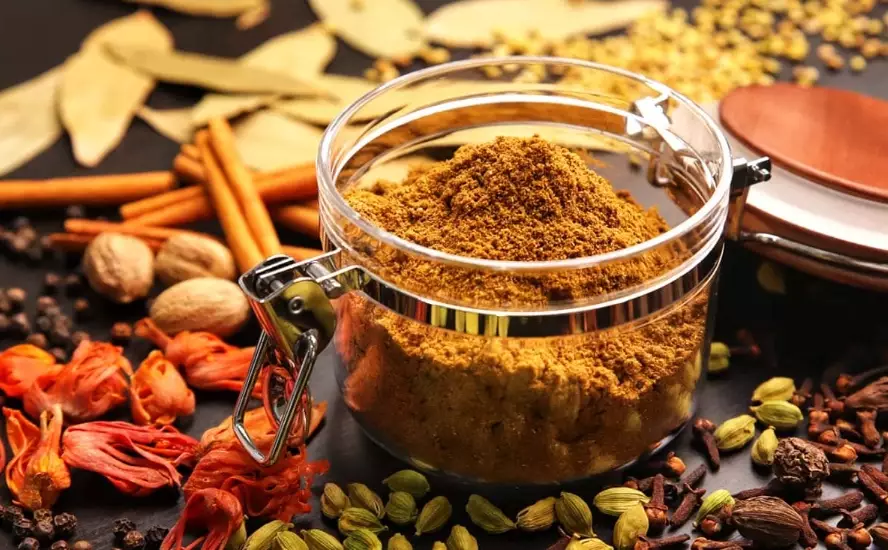
What Is Garam Masala (And Why Most Blends Miss the Mark)
Garam masala isn't a single spice or a fixed formula. It's a North Indian blend—literally "warming spice mix"—and every family guards their own version. The problem with most commercial powders? They lean heavy on cheap coriander and cumin, then add a whisper of cardamom to pass the sniff test. You end up with a blend that's dusty and thin, not the rounded warmth that defines a proper garam masala.
In my opinion, the real hallmark is the presence of whole warm spices: green cardamom, cinnamon, cloves, and black pepper. Those are the pricey ones, so shortcuts happen. When you make it yourself, you control the ratio. You also control freshness—something no jar on a shelf can promise.
Quick note on variations: Some regions add fennel or star anise. I skip fennel (it fights with cardamom) and use star anise sparingly, maybe one petal per batch. Punjabi versions often omit black cardamom; I include it because it adds a smoky depth that regular cardamom can't touch.
My Go-To Garam Masala Recipe (With Exact Ratios)
This makes about 6 tablespoons (roughly 50 grams). It's enough to fill a small jar and keep you cooking for a couple of months. (And yes, it doubles easily.)
| Ingredient | Amount | Why It's There |
|---|---|---|
| Coriander seeds | 2 tbsp (about 12g) | Citrusy backbone—keeps the blend from tasting heavy |
| Cumin seeds | 1 tbsp (about 6g) | Earthy warmth, but too much makes it bitter |
| Green cardamom pods | 1 tbsp (about 8g, pods only) | Floral sweetness—the signature note |
| Black cardamom pods | 2 pods (about 2g) | Smoky, camphor-like depth (use less if you're new to it) |
| Cinnamon stick (2-inch) | 1 piece (about 4g) | Sweet woodiness |
| Cloves | 8 whole cloves (about 1.5g) | Pungent heat—easy to overdo, so count them |
| Black peppercorns | 1 tbsp (about 6g) | Sharp bite that lifts the whole mix |
| Bay leaf (optional) | 1 small leaf | Subtle herbal note; I often skip it |
| Nutmeg (optional) | A tiny grating (0.5g) | Adds a warm, almost sweet finish |
That's it. No dried ginger, no garlic powder, no random fillers. (I've seen recipes with garlic powder—please don't. It turns the blend into something else entirely.)
How to Toast and Grind for Maximum Flavor
Toasting is non-negotiable. Skip it and you'll get a flat, dusty powder. But here's the catch: spices burn fast, and burnt spices are bitter. I learned that lesson with a batch of cumin that turned acrid in seconds.
Set a heavy-bottomed skillet over medium-low heat. Add the coriander, cumin, peppercorns, cloves, cinnamon, and both cardamoms. Keep them moving—I use a wooden spatula and stir constantly. It takes 2–3 minutes. You're looking for a gentle aroma, not smoke. The cumin will darken a shade; the cardamom pods will puff slightly. That's your cue to pull the pan off the heat.
Transfer everything to a cold plate immediately. (If you leave them in the hot pan, they keep cooking and can tip into burnt territory.) Let them cool completely—about 10 minutes. Warm spices clog your grinder and turn gummy.
Grinding: a spice grinder or clean coffee grinder works best. Pulse in short bursts. I aim for a slightly coarse powder—a bit of texture is good. If you grind it to dust, the volatile oils escape faster and the flavor dulls. (A mortar and pestle is traditional, but it's a workout. I use my grandmother's brass mortar for small batches, but the electric grinder is fine.)
You'll yield about 6 tablespoons. Store in an airtight glass jar, away from light and heat.
The 3 Mistakes I Made So You Don't Have To
1. Over-toasting the cloves. Cloves are tiny and burn before the coriander seeds even start to smell nutty. I now add cloves 30 seconds after the other whole spices, or I toast them separately for 45 seconds. It sounds fussy, but it saves the batch.
2. Using pre-ground spices. I tried it once when I was out of whole coriander. The result was dull and oddly gritty. Pre-ground spices have more surface area and lose their oils fast. The whole point of this recipe is freshness—don't cut that corner.
3. Grinding while hot. The powder clumps and the grinder bowl gets sticky. Wait until the spices are cool to the touch. I usually toast them at night and grind in the morning—the aroma is still there.
Storage Rules and Where It Shines in Cooking
Keep your garam masala in a small glass jar with a tight lid. A dark cupboard is ideal. It stays potent for about 3 months; after that, it's still usable but the aroma fades. (I write the batch date on the lid—sounds nerdy, but it helps.)
Where to use it? Classic: sprinkle it into dal at the end of cooking, or add it to a chicken curry in the last five minutes. But I also love it on roasted cauliflower—toss with oil, salt, and a teaspoon of garam masala before roasting. And a pinch in scrambled eggs? Trust me, it works. (My partner thought I was crazy until he tried it.)
It's not a spice to add at the start of cooking. The volatile oils evaporate with long heat. Add it near the end, or bloom it in ghee for 30 seconds right before serving.
Questions I Get All the Time
Note: The spice-toasting times and ratios above are based on my own trials with a stainless steel skillet and a 200W grinder. Results may vary slightly with different equipment, but the visual cues (aroma, slight darkening) are reliable.

Leave a Comment