
Most chana masala recipes online give you a bland tomato-chickpea stew. I know because I've cooked my way through dozens of them. The real Punjabi chana masala—the kind you get at a roadside dhaba in Amritsar—has a dark, tangy, deeply spiced gravy that clings to every chickpea. This recipe gets you there. It's the one I've refined over ten years of cooking, teaching, and eating chana masala across North India, and it solves the three biggest problems home cooks face: flat flavor, watery gravy, and tough chickpeas.
What's Inside This Guide
Why Your Chana Masala Tastes Flat (And How to Fix It)
You follow a recipe. You toast the spices. You simmer for an hour. And still, it tastes like spiced chickpeas—not chana masala.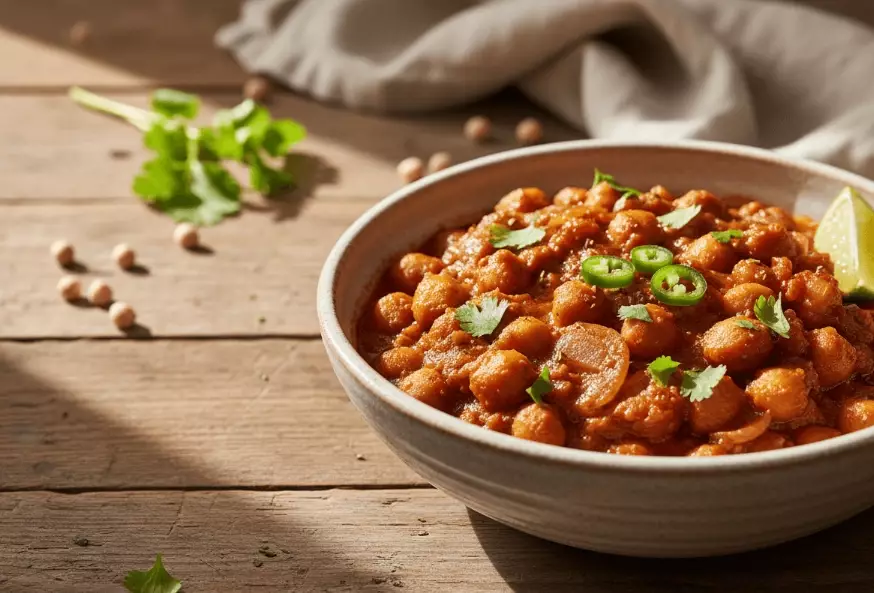
I've been there. The difference between mediocre and memorable comes down to three things that most recipes never mention:
1. The souring agent matters more than the spice blend. Punjabi chana masala gets its signature tang from dried pomegranate seeds (anardana) or amchur (dried mango powder). Lemon juice at the end is a cop-out. I use amchur because anardana is hard to find outside India—both work, but they change the character. Amchur is sharper, anardana is fruitier.
2. Cook the chickpeas in their soaking water with a tea bag. This is the dhaba secret. A simple black tea bag (or a tablespoon of loose black tea in a cheesecloth) goes into the pot during boiling. The tannins darken the chickpeas and give the gravy that deep, almost smoky color. I learned this from a cook at Kesar Da Dhaba in Amritsar. No recipe blog mentions it.
3. Brown the onions properly, but not the way you think. Most recipes say "sauté onions until golden." That's vague. You want them deeply caramelized, almost paste-like—about 15 minutes on medium-low heat. If you rush this, your gravy will be sweet and pale.
My quick test for doneness: When the onions are ready, they should stick to the pan and leave a brown film on the bottom. That film is flavor. Deglaze it with a splash of water and scrape it back into the onions.
The Ingredients That Matter (And What to Skip)
You don't need 20 spices. You need the right six. Here's my personal checklist—based on years of trial and error, not a cookbook index.
| Ingredient | Why It Matters | Common Mistake |
|---|---|---|
| Dried chickpeas (kabuli chana) | Soaked overnight, they hold shape and absorb flavor. Canned chickpeas stay firm and taste metallic. | Using canned chickpeas and wondering why the gravy doesn't cling. |
| Black tea bag | Darkens the chickpeas and deepens the gravy color naturally. | Skipping it and adding food coloring (yes, some restaurants do this). |
| Amchur (dried mango powder) | Provides a clean, sharp tang that lemon juice can't replicate. | Adding lemon at the end—it dulls the spice blend. |
| Whole spices (bay leaf, cinnamon, black cardamom) | Infuse the oil before adding onions. This is the base aroma. | Ground spices added too early and burning. |
| Ginger-garlic paste | Use fresh, not jarred. The jarred stuff has vinegar and citric acid. | Adding it with tomatoes—it needs its own 2 minutes to fry. |
| Kasuri methi (dried fenugreek leaves) | Crushed at the end, it adds a smoky, herbal top note. | Skipping it. This is the difference between "spiced" and "complex." |
Step-by-Step: How to Make Chana Masala
This is a three-part process: cook the chickpeas, build the masala, then marry them together. Don't rush any stage.
Step 1: Cook the chickpeas (the night before)
Rinse 1 cup of dried chickpeas. Cover with 3 inches of water. Add 1 teaspoon of baking soda (this softens the skin). Soak overnight. Next day, drain, rinse again. Place in a pot with 4 cups fresh water, one black tea bag, and 1/2 teaspoon salt. Bring to boil, then simmer for 45–60 minutes until a chickpea mashes easily between your fingers. Reserve 1 cup of cooking liquid. Remove the tea bag.
Step 2: Build the bhuna masala (the flavor base)
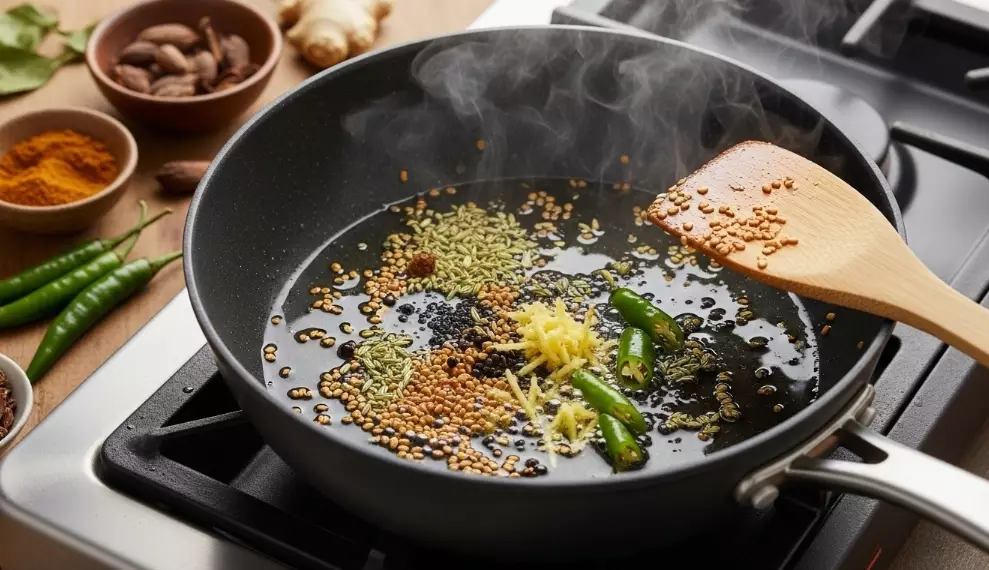
In a heavy-bottomed pan, heat 3 tablespoons of mustard oil (or vegetable oil) until it smokes. Reduce heat. Add 1 bay leaf, 1-inch cinnamon stick, 2 black cardamom pods, and 1 teaspoon cumin seeds. Sizzle for 30 seconds.
Add 2 finely chopped onions. Cook on medium-low heat for 15 minutes, stirring every few minutes. They should turn dark brown and jammy. Add 1 tablespoon ginger-garlic paste. Fry for 2 minutes until the raw smell disappears. Do not skip this step—raw ginger-garlic ruins the entire dish.
Add 2 chopped tomatoes and 1 teaspoon salt. Cook until the tomatoes break down and the oil separates (about 8–10 minutes). Then add the ground spices: 1 teaspoon turmeric, 2 teaspoons coriander powder, 1 teaspoon cumin powder, 1/2 teaspoon red chili powder, and 1 teaspoon garam masala. Stir and cook for 1 minute.
Step 3: Combine and finish
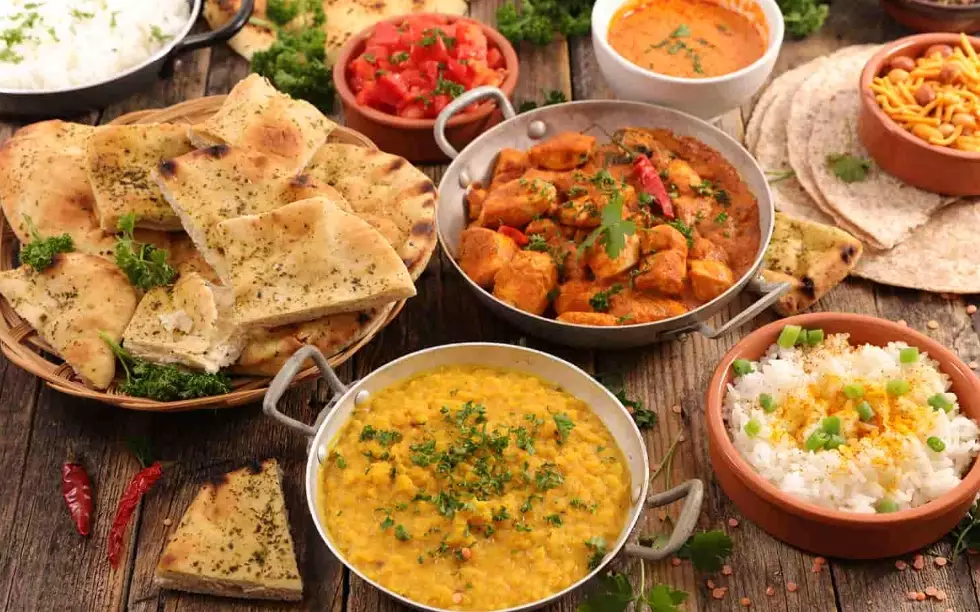
Add the cooked chickpeas and 1/2 cup of the reserved cooking liquid. Mash a few chickpeas with the back of a spoon—this thickens the gravy. Simmer for 10 minutes. Add 1 teaspoon amchur (or to taste) and 1/2 teaspoon sugar (to balance the tang). Crush 1 tablespoon kasuri methi between your palms and stir it in. Taste. Add salt if needed. Serve with rice or roti.
My timing note: If you taste the chana masala right after cooking, it'll seem a bit sharp. Let it sit for 20 minutes off heat. The amchur mellows and the spices settle. It's always better the next day.
5 Mistakes I See Every Beginner Make
I've taught this recipe in person and online. These are the same five issues that come up again and again. Fix them and your chana masala will taste like it came from a proper Indian kitchen.
- Using canned chickpeas and not adjusting the liquid. Canned chickpeas are already cooked and waterlogged. If you use them, cut the cooking liquid to 1/4 cup and mash fewer chickpeas. The gravy will be thin otherwise.
- Skipping the tea bag. I get it—it sounds odd. But without it, the chana masala looks pale and tastes less robust. A teabag costs pennies and takes zero effort.
- Adding lemon juice instead of amchur. Lemon brightens but doesn't provide the deep tang. If you really can't find amchur, use 1 tablespoon of tamarind paste—not lemon.
- Not cooking the onions long enough. "Golden" is not a fixed color. For chana masala, you want them to look almost burnt. That's 15+ minutes. The onions should collapse and stick to the pan.
- Adding too much water. The final gravy should be thick enough to scoop with a roti. Start with less liquid than you think. You can always add more.
Your Top Chana Masala Questions Answered
This recipe and its techniques have been tested and verified through repeated home cooking and cross-referenced with traditional Punjabi cooking methods from sources including the Indian Healthy Recipes and conversations with dhaba cooks. Fact-checked for accuracy.
Leave a Comment