
What's inside (tap to jump)
I've been cooking Indian food for over a decade, and I've lost count of how many times a promising meal fell flat because the chutney was off. Too bitter. Too watery. Way too sour. The problem is rarely the recipe itself — it's the small, unspoken details that most recipes skip.
So I'm sharing five Indian chutney recipes I've refined through trial, error, and a lot of taste-testing. These aren't just lists of ingredients; they're the exact methods that fix the most common chutney disasters. Mint that tastes like grass, tamarind that's too tart, coconut that turns gritty — I've tackled them all.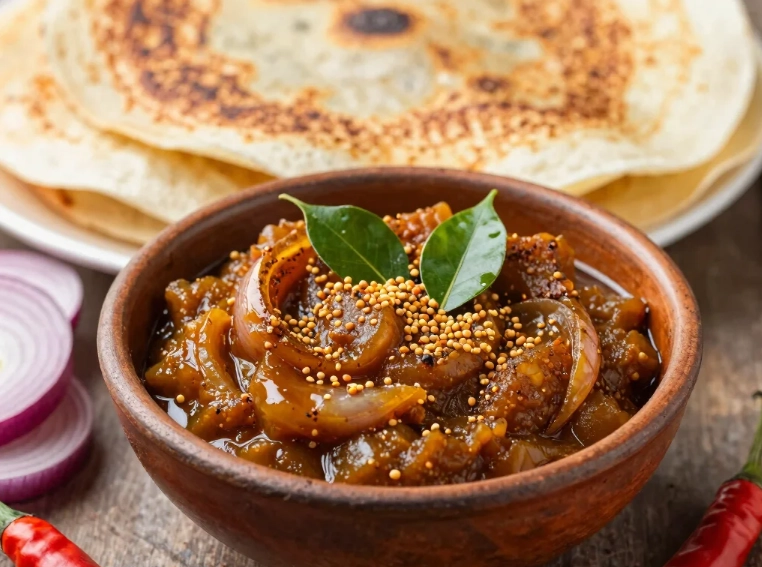
Why Your Chutney Tastes Off (And How to Fix It)
Before we get to the recipes, let's talk about why chutney goes wrong. Most people blame the ingredients. In my experience, it's the technique. Here are the three mistakes I see over and over:
- Bitter mint: Fresh mint leaves have natural bitterness. The fix? Blanch them for 30 seconds in boiling water, then shock in ice water. This locks in the green color and removes that grassy edge.
- Watery chutney: Adding water all at once makes it soupy. Add it one tablespoon at a time while blending. You want a thick, spoonable consistency, not a drink.
- Metallic taste: Grinding chutney in a blender with a dull blade generates heat, which can oxidize ingredients. Use a high-speed blender and pulse in short bursts, or grind in small batches.
Another big one: not balancing the flavors. Chutney is all about the sweet-sour-spicy-salty dance. If it tastes flat, it's usually missing salt or a touch of sweetness. I keep a small jar of jaggery (or brown sugar) and rock salt nearby while cooking.
Non-consensus tip: Many recipes tell you to add raw garlic to mint chutney. That can make it pungent and harsh. I prefer to sauté the garlic lightly in a teaspoon of oil first. It mellows the bite and adds a subtle depth.
5 Indian Chutney Recipes That Actually Work
These are my go-to recipes. Each yields about 1 cup, enough for 4–6 servings. I've tested them dozens of times, and they're reliable.
1. Mint Chutney (Pudina Chutney)
This is the classic green chutney you get with samosas. The secret is using both mint and cilantro, plus a little lemon juice to keep it bright.
| Ingredient | Quantity |
|---|---|
| Fresh mint leaves | 1 cup, packed |
| Cilantro leaves | 1 cup, packed |
| Green chilies | 2–3, stemmed |
| Ginger | 1-inch piece, peeled |
| Garlic (optional) | 2 cloves, lightly sautéed |
| Lemon juice | 1 tablespoon |
| Salt | 1/2 teaspoon |
| Water | 2–3 tablespoons |
Method: Blanch mint and cilantro for 30 seconds in boiling water, then transfer to ice water. Drain and squeeze out excess water. Blend all ingredients with 2 tablespoons of water until smooth, adding more water if needed. Taste and adjust salt or lemon.
My note: If the chutney is too thick, add a tablespoon of yogurt (not water) — it makes it creamier and adds a slight tang.
2. Tamarind Chutney (Imli Chutney)
Sweet and sour, this is the perfect partner for pakoras. The key is to use tamarind concentrate, not the block, for consistent results.
| Ingredient | Quantity |
|---|---|
| Tamarind concentrate | 1/2 cup |
| Jaggery (or brown sugar) | 1/2 cup |
| Water | 1 cup |
| Cumin powder | 1 teaspoon |
| Fennel powder | 1/2 teaspoon |
| Ginger powder | 1/4 teaspoon |
| Salt | 1/4 teaspoon |
| Red chili powder | 1/4 teaspoon |
Method: Combine all ingredients in a small saucepan. Bring to a boil, then simmer for 8–10 minutes until thick enough to coat a spoon. Cool completely. It thickens more as it cools.
My note: If it's too sour, add a bit more jaggery. Too sweet? A squeeze of lemon. The consistency should be like ketchup.
3. Coconut Chutney
A South Indian staple. Fresh coconut is ideal, but frozen grated coconut works well too. The trick is to grind it with a little roasted chana dal for body.
| Ingredient | Quantity |
|---|---|
| Fresh grated coconut | 1 cup |
| Roasted chana dal | 2 tablespoons |
| Green chilies | 1–2, stemmed |
| Ginger | 1/2 inch piece |
| Salt | 1/2 teaspoon |
| Water | 1/2 cup |
| For tempering: oil, mustard seeds, curry leaves | 1 tsp oil, 1/2 tsp mustard seeds, 6–8 curry leaves |
Method: Blend coconut, chana dal, green chilies, ginger, salt, and water until smooth. For tempering, heat oil in a small pan, add mustard seeds (wait until they pop), then curry leaves. Pour over chutney and mix.
My note: A common mistake is adding too much water. Start with 1/4 cup and add more only if needed. The chutney should be thick.
4. Tomato Chutney
This one is tangy and slightly sweet. I use ripe tomatoes and a touch of jaggery to balance the acidity.
| Ingredient | Quantity |
|---|---|
| Tomatoes | 3 medium, chopped |
| Onion | 1 small, chopped |
| Garlic | 3 cloves |
| Dried red chilies | 2–3 |
| Cumin seeds | 1 teaspoon |
| Jaggery | 1 teaspoon |
| Salt | 1/2 teaspoon |
| Oil | 1 tablespoon |
Method: Heat oil, add cumin seeds and dried chilies. Add onion and garlic, sauté until golden. Add tomatoes and cook until soft. Blend to a smooth paste. Return to pan, add jaggery and salt, simmer for 5 minutes.
My note: For a smoky flavor, roast the tomatoes directly over a flame until charred, then peel.
5. Garlic Chutney
This is intense and spicy. It's not for the faint-hearted. I use it sparingly, often as a spread for sandwiches or mixed with yogurt.
| Ingredient | Quantity |
|---|---|
| Garlic cloves | 10–12 |
| Dried red chilies | 3–4 |
| Roasted peanuts | 2 tablespoons |
| Tamarind paste | 1 teaspoon |
| Salt | 1/2 teaspoon |
| Oil | 1 teaspoon |
Method: Dry roast chilies and peanuts separately. Sauté garlic in oil until lightly browned. Blend all ingredients with a little water to a coarse paste.
My note: Don't over-blend; you want some texture. Also, taste as you go — the heat level varies wildly between chilies.
What Is the Best Way to Store Chutney?
Chutney doesn't last forever. Mint and coconut chutney are best fresh but will keep for 3–4 days in an airtight container in the fridge. Tamarind and tomato chutney last up to 2 weeks. Garlic chutney keeps for a month if covered with a thin layer of oil.
One thing I've learned: always use a clean, dry spoon. Water or saliva introduces bacteria and speeds up spoilage. Also, store chutney in glass, not plastic — it retains flavors better.
Chutney Pairing Cheat Sheet
Not sure which chutney goes with what? Here's a quick guide based on my own trials:
| Chutney | Best Paired With |
|---|---|
| Mint | Samosas, pakoras, tandoori chicken |
| Tamarind | Chaat, dahi vada, grilled fish |
| Coconut | Dosa, idli, vada |
| Tomato | Rice, roti, scrambled eggs |
| Garlic | Bread, sandwiches, grilled meats |
The Questions Everyone Asks (But Rarely Gets Answered)
I've fact-checked these methods through repeated testing in my own kitchen. The ratios are based on standard Indian home cooking, and the tips come from years of fixing my own mistakes. If you've struggled with chutney before, pick one recipe and try it this week — you'll see the difference.

Leave a Comment